Free things to do in Leeds - a member's guide
A city's character is often in what it gives away: the best of Leeds at no cost.
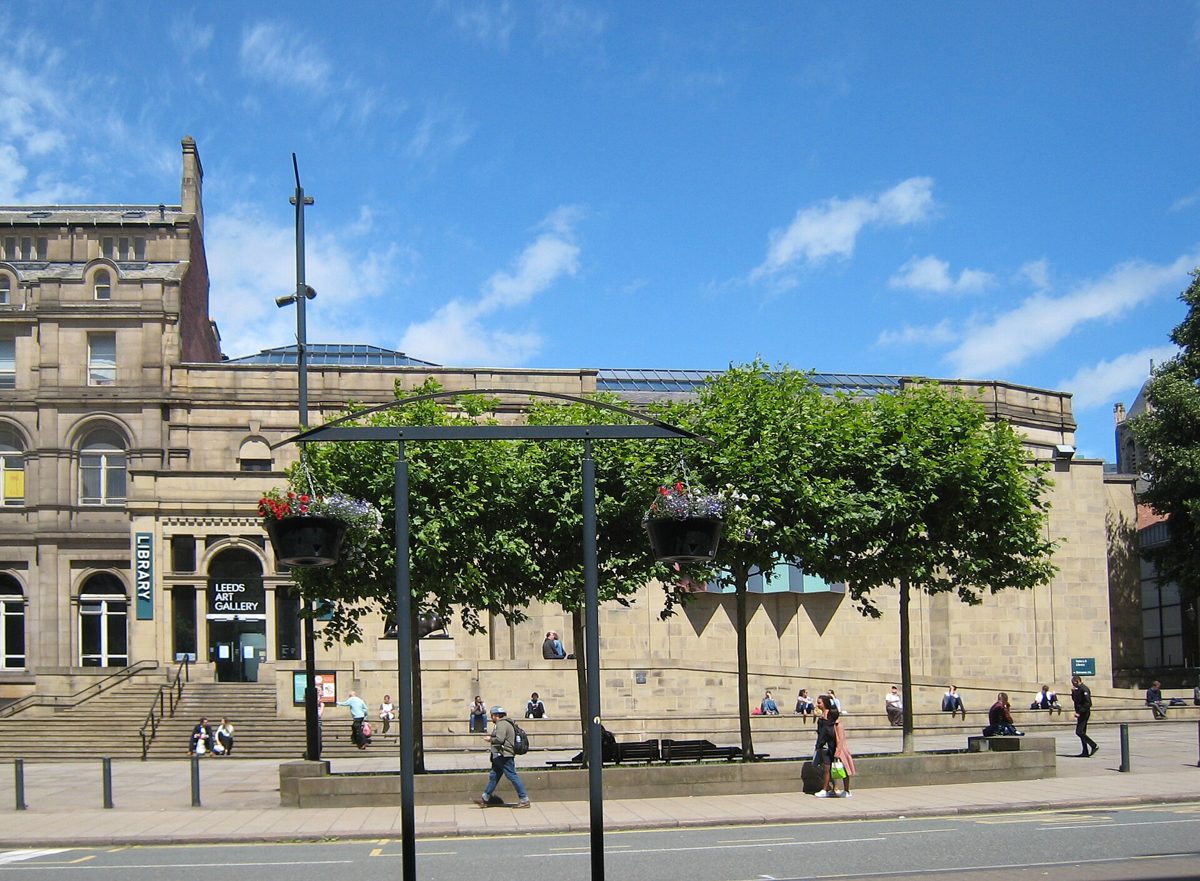
Leeds consistently ranks as a top destination for its dynamic cultural scene, much of which is accessible without cost. Beyond its bustling shopping districts and lively nightlife, the city harbors institutions that preserve and present centuries of human endeavor and natural history. This guide focuses on the permanent, free offerings of some of Leeds' most significant cultural landmarks, providing insights into what makes each worth your time.
Leeds Art Gallery
Housed in a grand Victorian building at the heart of the city, Leeds Art Gallery stands as a significant repository of British art, particularly strong in 19th and 20th century works. Its permanent collection, free to view, encompasses a broad spectrum of styles and periods, offering a comprehensive journey through artistic movements. Visitors encounter works by major figures such as John Atkinson Grimshaw, whose atmospheric Victorian cityscapes capture a bygone era of Leeds, and Pre-Raphaelite artists like Dante Gabriel Rossetti.
The gallery's modern British art collection is particularly notable, featuring sculptures by Leeds-born Henry Moore and Barbara Hepworth. You can explore galleries dedicated to abstract art, post-war British painting, and contemporary pieces. The building itself, with its ornate ceilings and spacious rooms, provides an elegant backdrop for the art. Adjacent to the Henry Moore Institute, which also offers free exhibitions on sculpture, the gallery forms a cultural hub, making it an essential stop for anyone interested in visual arts and their evolution. The sheer quality and breadth of the collection, from traditional portraits to avant-garde installations, make it a rewarding visit.
Royal Armouries Museum
Situated by the Royal Dock in Clarence Dock, the Royal Armouries Museum is Britain's national museum of arms and armour. Its five themed galleries-War, Tournament, Oriental, Hunting, and Self-Defense-house a staggering collection of over 8,500 objects spanning millennia and continents. What you see here is an unparalleled display of human ingenuity in design for conflict, protection, and sport.
In the War Gallery, you can trace the evolution of weaponry from the Stone Age through to modern firearms, observing how technology and tactics have adapted over time. The Tournament Gallery showcases magnificent jousting armours, including those made for Henry VIII, offering a glimpse into the pageantry and skill of medieval combat. The Oriental Gallery displays intricate Japanese samurai armour and weaponry, alongside pieces from India, China, and the Islamic world, demonstrating diverse cultural approaches to warfare and ceremony. You might encounter the impressive elephant armour or ornate firearms. The museum's comprehensive scope, coupled with the dramatic scale of many exhibits, provides a compelling narrative of human history through the lens of arms and armour. It's a place where history feels tangible, offering a profound sense of the past.
Leeds City Museum
Located in the magnificent former Leeds Institute building on Millennium Square, Leeds City Museum serves as a central hub for the city's history, natural sciences, and world cultures. The museum's permanent galleries are free and present a diverse range of exhibits suitable for all ages.
Upon entering, visitors often encounter the impressive Leeds Tiger, a Victorian taxidermy specimen that has become an icon of the museum. The "Life on Earth" gallery explores biodiversity, from local wildlife to global ecosystems, featuring skeletons, fossils, and preserved specimens. The "Ancient Worlds" gallery is a highlight, home to Nesyamun, an ancient Egyptian mummy and priest, whose sarcophagus and accompanying artifacts offer a direct link to a civilization thousands of years old. You also see Roman mosaics and local archaeological finds. The "Leeds Story" gallery chronicles the city's development from prehistoric times to the present day, showcasing industrial heritage, social changes, and the lives of its inhabitants through everyday objects, photographs, and interactive displays. The "World View" gallery displays objects from various cultures, including textiles, ceramics, and ceremonial items, providing a global perspective. The museum's strength lies in its ability to connect local history with wider human and natural narratives, making it both educational and engaging.
Leeds Discovery Centre
For those with a deeper curiosity about how museums operate and what lies beyond public display, the Leeds Discovery Centre offers a unique, free experience. Unlike traditional museums, this facility is primarily a storage and conservation hub for the vast collections of Leeds Museums and Galleries, holding over a million objects. Visits are typically by appointment or during specific open days, emphasizing its role as a working collection store rather than a walk-in gallery.
What you actually see here is a meticulously organized, climate-controlled environment where shelves stretch high, filled with everything from taxidermy specimens and geological samples to archaeological finds and social history items. It's a behind-the-scenes look at museum stewardship. Experts are often on hand to discuss specific collections, providing insights into conservation, research, and documentation processes. For example, you might see rows of Victorian taxidermy birds, collections of pottery shards from Roman Leeds, or drawers full of entomological specimens. The sheer volume and variety of objects, many of which are too fragile, rare, or numerous for permanent exhibition, offer a profound appreciation for the depth of cultural heritage managed by the city. It's an opportunity to connect directly with the raw material of history and natural science, guided by those who care for it.
Kirkstall Abbey
A magnificent example of Cistercian architecture, Kirkstall Abbey stands as one of the most complete medieval abbey ruins in Britain. Located a few miles north-west of the city centre along the River Aire, its grounds are freely accessible, offering a serene and historically rich outdoor experience. Founded in 1152, the abbey functioned as a monastic community for over 400 years until its dissolution in 1539 by Henry VIII.
Visitors can wander through the roofless nave of the church, explore the chapter house, warming room, and the monks' dormitory, gaining a clear sense of the abbey's original layout and the daily life of its inhabitants. The scale of the ruins is impressive, with soaring arches and intricate stonework that speak to the craftsmanship of medieval builders.
Key features to observe include: The impressive central tower, partially collapsed but still commanding The cloister garth, a peaceful courtyard once central to monastic life The remains of the infirmary and guest house, indicating the abbey's role beyond its immediate community The picturesque riverside setting, which has inspired artists for centuries
The abbey grounds are expansive and well-maintained, providing an ideal setting for a leisurely stroll, a picnic, or quiet contemplation. It's a place where history and nature converge, offering a tangible connection to Leeds' medieval past and a tranquil escape from urban bustle. The visitor centre, though sometimes housing ticketed exhibitions, often has free displays detailing the abbey's history and archaeological findings.
Frequently asked questions
Are all parts of these institutions completely free?
Generally, the permanent collections and public access areas of these institutions are free. For instance, Leeds Art Gallery offers free entry to its main galleries. The Royal Armouries and Leeds City Museum operate on a similar model, providing free access to their core exhibits. However, special temporary exhibitions, specific events, or guided tours might require a ticket. Always check the institution's website if you are interested in a particular temporary display or event.
Is it necessary to book visits in advance for any of these free attractions?
For most of the listed attractions like Leeds Art Gallery, Royal Armouries, Leeds City Museum, and Kirkstall Abbey, booking in advance is not typically required for general admission to their free permanent collections. You can usually just walk in. The notable exception is the Leeds Discovery Centre, which, as a working collection store rather than a traditional museum, often requires pre-booking for tours or specific viewing appointments due to its operational nature and limited public access.
What are the best options for families with children among these free attractions?
All of these institutions offer something for families, but Leeds City Museum and the Royal Armouries often stand out for younger visitors. Leeds City Museum, with its Leeds Tiger, Ancient Worlds gallery featuring a mummy, and interactive "Life on Earth" exhibits, captivates children with its diverse displays. The Royal Armouries, with its impressive collection of weapons, armour, and dramatic displays, often sparks the imagination of children interested in knights, battles, and history. Kirkstall Abbey also provides a fantastic outdoor space for children to explore and run around amidst historical ruins, weather permitting.
This is an independent member's guide compiled by Leeds Society. We are not affiliated with the venues and institutions mentioned; opening arrangements and programmes change - always confirm details on the official websites before making plans.
← Back to Events