Historic pubs of Leeds - a member's guide
Old rooms with real history: the Leeds pubs where the building is part of the story.
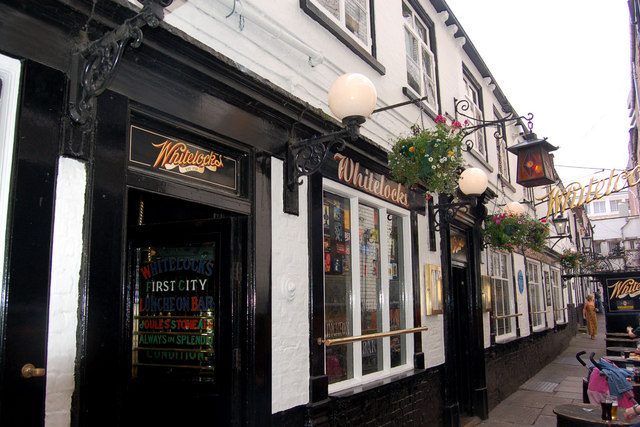
Leeds boasts a collection of historic pubs, each offering a distinct window into the city's past. From Whitelock's Ale House, the oldest, to the grand Victorian settings of The Adelphi and The Victoria Hotel, and the musical heart of The Duck & Drake, these establishments provide a tangible connection to generations of local life and culture, preserving stories and architectural styles.
The Enduring Appeal of Leeds' Pub Heritage
Leeds, a city shaped by its industrial past and vibrant present, retains a fascinating layer of history within its public houses. These aren't merely places for refreshment; they are architectural time capsules and social anchors, each with a unique narrative woven into the fabric of the city. Visiting them offers an authentic experience, connecting patrons to centuries of local tradition and community spirit. Understanding their individual stories, from their origins to their distinctive features, enriches any visit, allowing a deeper appreciation for Leeds' evolution. These pubs have witnessed pivotal moments, from the rise of the textile industry to the growth of the city's cultural scene, acting as silent observers and active participants in local history.
Whitelock's Ale House - The City's Oldest Public House
Tucked away in a narrow yard off Briggate, Whitelock's Ale House holds the distinction of being Leeds' oldest public house. It first opened its doors in 1715 under the name The Turk's Head, a common inn name reflecting trade routes and exotic goods. The pub's current identity, Whitelock's, emerged in 1867, named after John Lupton Whitelock, whose family oversaw a significant period of its development. The most striking transformation occurred in the 1880s, when the Whitelock family undertook extensive Victorian-era improvements, shaping the interior that largely endures today. This commitment to preserving its historical character has allowed Whitelock's to remain a beloved institution for over three centuries, drawing locals like the famous Leeds-born author Alan Bennett, who mentioned it fondly.
The interior of Whitelock's is its most compelling feature, a meticulously preserved example of late Victorian pub design. Stepping inside, one is immediately enveloped by a sense of history. The long, narrow corridor leads patrons past a gleaming copper-topped bar, framed by ornate etched glass depicting floral motifs and stylized patterns, and polished brasswork. The floor is a mosaic masterpiece, displaying intricate geometric patterns that have withstood generations of foot traffic. Walls are adorned with Lincrusta wallpaper and decorative ceramic tiles, possibly from local manufacturers or prominent Victorian firms like Minton, depicting scenes and motifs typical of the period, often with a naturalistic theme. Dark wood paneling, likely mahogany or oak, and historic mirrors further enhance the traditional atmosphere, creating an intimate, almost club-like feel despite its central city location. The original gas lighting fittings, though now electrified, still contribute to the period ambiance, providing a visually rich and immersive experience.
Whitelock's is historically associated with Leeds' commercial and working life. Its location, close to the city's main thoroughfare, Briggate, made it a natural meeting point for merchants trading in wool and textiles, shoppers from the nearby Kirkgate Market, and workers from the surrounding offices and retail establishments. For decades, it served as a popular lunchtime spot and an evening retreat, a consistent haven where business deals were discussed, news exchanged, and friendships forged. Its enduring appeal lies in this deep connection to the everyday life of Leeds, offering a consistent, high-quality traditional pub experience that has attracted locals and visitors alike for generations. It is documented as a place where generations of Leeds citizens have gathered for conversation and refreshment, a truly democratic space in the heart of the city.
The Adelphi - A Victorian Palace Pub
The Adelphi, located on the edge of the city centre near the River Aire, presents a grander vision of Victorian pub architecture. While its current form as a public house dates to 1891, the building itself has an earlier history, initially constructed in 1803 as a substantial Georgian mansion. The conversion into a pub was overseen by the esteemed Leeds architect Thomas Ambler, known for his work on several significant city buildings, including the former Leeds Permanent Building Society headquarters and parts of the Grand Arcade. Ambler's design transformed the former residence into a prominent public house, reflecting the late 19th-century trend of creating elaborate "palace pubs" that catered to a more affluent clientele with a taste for grandeur. The Adelphi's impressive brick and terracotta facade, complete with decorative detailing, clearly showcases the architectural ambition of its era, earning it Grade II listed status.
The interior of The Adelphi is characterized by its opulent Victorian detailing. High ceilings and large windows allow natural light to flood the main bar areas, highlighting the intricate plasterwork and cornices that frame the ceiling. Dark polished wood, from the elaborate bar itself to the extensive wall paneling, contributes to a sense of traditional elegance. Multiple distinct rooms and snugs offer varied spaces for patrons, each maintaining the overall grand aesthetic, from the public bar to more secluded lounges. Ornate mirrors, often framed in gilded wood, amplify the spaciousness and decorative elements, reflecting the ambient light. The fixtures and fittings, carefully maintained, evoke the period's craftsmanship, from the elaborate fireplace surrounds featuring glazed tiles to the plush, upholstered seating arrangements. Stained-glass windows, often depicting allegorical figures or abstract patterns, add further color and light to the interior.
The Adelphi's association is primarily with its architectural grandeur and its role as a quintessential Victorian city pub. It was named after the Adelphi Theatre in London, a nod to its aspirations of sophistication and entertainment, suggesting a connection to leisure and the arts. For over a century, it has been known as a place offering a more refined pub experience, drawing patrons who appreciate its historical ambiance and well-preserved features. Its location, slightly removed from the immediate hustle of Briggate but close to the river and emerging commercial districts, has also contributed to its reputation as a destination pub, valued for its character and scale, serving as a social hub for the city's burgeoning middle class.
The Victoria Hotel - Theatrical Connections
The Victoria Hotel, opened in 1865, stands as another architectural gem designed by Thomas Ambler, the same architect responsible for The Adelphi's conversion. Originally built by the Leeds Permanent Building Society, it served as a hotel with a public house on its ground floor, catering to travelers arriving at the nearby Leeds Central Station (now closed) and city residents alike. Its construction coincided with a period of rapid urban development in Leeds, and its imposing presence reflects the city's growing prosperity and the demand for quality accommodation and public spaces. The building is a Grade II listed structure, recognized for its architectural significance and historical integrity, featuring a distinctive red brick and stone facade.
The interior of The Victoria Hotel is defined by its grand scale and theatrical elegance. High ceilings, elaborate decorative plasterwork, and large, arched windows create a spacious and airy atmosphere. The main bar area is particularly striking, featuring substantial mirrors that reflect the ornate detailing and the warm glow of the lighting, creating a sense of depth and luxury. Marble fireplaces with detailed surrounds and dark wood accents contribute to the sense of traditional opulence. The layout often includes various segregated drinking areas, typical of Victorian pubs, such as a saloon bar and a public bar, providing both public and more private spaces for different social strata. The overall design conveys an impression of careful craftsmanship and materials, designed to impress and accommodate a diverse clientele, from travelling salesmen to local professionals.
The Victoria Hotel's most prominent documented association stems from its immediate proximity to the Leeds Grand Theatre and Opera House, which opened in 1878. This location quickly established the pub as a popular gathering spot for theatre-goers, performers, and staff. It became a traditional venue for pre-show drinks, interval refreshments, and post-performance discussions, fostering a direct link to Leeds' vibrant cultural scene. Actors like Peter O'Toole and Alan Rickman, when performing at the Grand, might have frequented its bar, making it a place where theatrical legends mingled with local patrons. This connection to the performing arts has been a defining aspect of the pub's identity for well over a century, making it an integral part of the theatre district's social fabric and a cherished pre- or post-show ritual for many.
The Duck & Drake - A Musical Legacy
The Duck & Drake, situated on Kirkstall Road, boasts a history stretching back to at least 1756. Its location on what was once a key route into and out of Leeds, linking the city to the west, suggests an earlier role, possibly as a coaching inn, serving travelers, drovers, and local residents from the surrounding industrial areas. While less architecturally ornate than its Victorian counterparts, its long history as a continuous public house underlines its deep roots within the city's social landscape. It represents a more traditional, no-frills pub experience, valued for its unpretentious atmosphere and community focus, standing as a survivor amidst changing urban landscapes.
The interior of The Duck & Drake is characterized by a more rustic and traditional pub aesthetic. Exposed beams and brickwork contribute to a warm, inviting, and somewhat raw atmosphere, a stark contrast to the polished grandeur of the Victorian "palace pubs." Furnishings are typically simple, sturdy wooden tables and chairs, designed for comfort and durability rather than elaborate display. The focus is clearly on functionality and creating a relaxed, welcoming environment. Unlike the multi-roomed Victorian palaces, The Duck & Drake often features a more open plan, centered around the bar, facilitating a sense of communal gathering. The stage, often a focal point, indicates its primary distinctive feature, usually adorned with band posters and music memorabilia, reflecting its vibrant history of live performance.
The Duck & Drake is most strongly associated with its long-standing reputation as a live music venue, particularly for blues, rock, and folk acts. For decades, it has been a crucial platform for both local and touring musicians, earning it a loyal following among music enthusiasts across Leeds and beyond. Bands like The Blues Band and local legends such as The Chris Martin Band have graced its stage. This dedication to live performance, hosting regular gigs several nights a week, has solidified its place as a cultural hub within Leeds, fostering a vibrant and energetic atmosphere. Its commitment to showcasing musical talent, often supporting emerging artists through open mic nights and dedicated slots, has become its defining characteristic, making it a unique and cherished part of the city's pub scene, a true home for live music.
Preserving Public House Heritage in Leeds
The continued existence and appreciation of pubs like Whitelock's, The Adelphi, The Victoria Hotel, and The Duck & Drake highlight the importance of preserving historical public houses. These establishments are more than just businesses; they are vital components of Leeds' cultural identity and urban landscape. Their architectural integrity offers tangible links to different eras of the city's development, from Georgian simplicity to Victorian grandeur, providing invaluable educational resources about past building styles and social norms. Moreover, they serve as living museums of social history, reflecting changes in community life, entertainment, and urban planning. Protecting these venues ensures that future generations can experience the unique atmosphere, stories, and traditions that have shaped Leeds for centuries, contributing to the city's distinct character and attracting cultural tourism.
Here are some elements that make these pubs historically significant: Architectural Integrity: Many retain original features from their construction or significant Victorian-era renovations, offering genuine examples of period design. Continuous Operation: Their long, uninterrupted service as public houses provides a direct link to the past, demonstrating resilience and adaptability. Social Hubs: They have consistently served as community gathering places, fostering local culture, facilitating social interaction, and acting as informal civic centers. Cultural Associations: Each pub has documented ties to specific aspects of Leeds' history, be it commerce, theatre, or music, enriching the city's broader narrative.
Frequently asked questions
What defines a historic pub in Leeds?
A historic pub in Leeds is generally defined by its age, architectural significance, and its continuous operation as a public house over a long period. These establishments often pre-date the 20th century, display distinctive period architecture, and possess documented associations with specific aspects of the city's social or cultural history. They offer an authentic glimpse into past eras through their preserved interiors and long-standing traditions.
Are these pubs still traditional in their offerings?
While these historic pubs maintain their traditional architecture and atmosphere, their offerings have evolved to meet contemporary tastes while often retaining classic elements. Patrons can expect a range of local ales, craft beers, and spirits, alongside traditional pub fare in many instances. The core experience, however-a welcoming environment for conversation and refreshment-remains deeply traditional, honoring their centuries-old purpose.
How can I identify the architectural style of these pubs?
You can often identify the architectural style by observing key features. Whitelock's, The Adelphi, and The Victoria Hotel prominently display Victorian characteristics, such as ornate tiling, etched glass, dark wood paneling, decorative plasterwork, and often a grand, multi-room layout. The Duck & Drake, with its older origins, leans towards a more Georgian or earlier traditional English pub style, characterized by simpler, more robust construction, exposed materials like brick and beam, and a less elaborate decorative scheme.
This is an independent member's guide compiled by Leeds Society. We are not affiliated with the venues and institutions mentioned; opening arrangements and programmes change - always confirm details on the official websites before making plans.
← Back to Events