Leeds industrial heritage and the waterfront - a walking guide
Wool, flax and water: a route through the buildings that paid for the city.
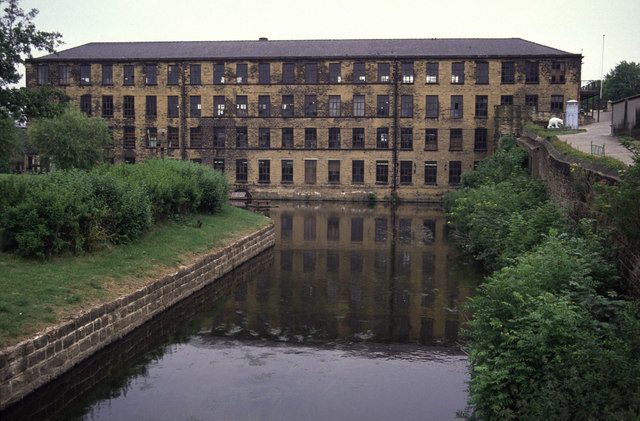
Leeds grew as a textile and engineering centre because water power, coal, and canal transport met in one valley. This guide covers six real sites that still show that history in brick, stone, water, and machinery.
Leeds Industrial Museum at Armley Mills
Armley Mills was built as a woolen mill, part of the city's textile economy. The site now houses the Leeds Industrial Museum, where the mill buildings themselves are part of the collection. Look at the scale of the mill architecture, the water-power story, and the displays on wool, clothing, printing, and engineering. The value here is seeing production space rather than only finished goods.
Thwaite Watermill
Thwaite Watermill is a water-powered mill site on the River Aire. It survives as one of the clearer examples of how water power drove local industry before steam became dominant. Look at the mill buildings, waterwheels, and machinery, and follow the water's route through the site. The setting matters: the river, mill race, and buildings show how industry depended on geography.
The Leeds and Liverpool Canal and Granary Wharf
The Leeds and Liverpool Canal was built to move goods, especially textiles and raw materials, between Leeds and Liverpool. Granary Wharf sits near the Leeds end, where warehouses and canal-side buildings reflect the handling of bulk cargo. Look at the canal basin, locks, bridges, and surviving warehouse architecture. A walk along the towpath makes the relationship between water transport and mill production easy to understand.
Leeds Dock and the Royal Armouries
Leeds Dock is a former dock basin connected to the canal network, showing how inland waterways linked Leeds to wider trade routes. The Royal Armouries building beside it is a modern landmark on a historic industrial waterfront. Look at the dock basin, surrounding warehouse-style buildings, and the contrast between heavy industrial infrastructure and the museum's contemporary architecture. This stop is useful for understanding how the city's working waterways were adapted over time.
Temple Works in Holbeck
Temple Works was built as a flax mill, associated with linen production rather than wool. Its most striking feature is the Egyptian-style facade, which makes the building memorable even from the street. Look at the facade, the scale of the mill, and its place within Holbeck's industrial landscape. Temple Works shows how Leeds textile industry included both wool and flax, and how mill owners used architecture to project ambition.
Tower Works
Tower Works was built for metal pin manufacture, with three distinctive towers that reference Italian architecture. The towers are the reason many visitors stop, but the site also represents the engineering side of Leeds industry. Look at the three towers, the factory buildings, and the way the complex sits in Holbeck. It is a good example of a specialised works whose identity became tied to its silhouette.
Textile History in Plain Terms
Leeds textile history can be understood through four linked ideas: Wool: sheep farming and wool processing gave Leeds much of its early industrial strength. Flax and linen: mills such as Temple Works show that flax spinning was also important. Water power: rivers and waterwheels powered early mills before steam engines became common. Canals: the Leeds and Liverpool Canal moved raw materials, yarn, cloth, and other goods to and from the city.
Frequently asked questions
What should I look for first at Armley Mills?
Start with the mill buildings and water-power interpretation. The physical scale of the site explains more than a label alone, because Armley Mills was built for woolen production and later became the Leeds Industrial Museum.
Why does Temple Works look Egyptian?
Temple Works was built as a flax mill, and its Egyptian-style facade is its best-known architectural feature. The design makes the building stand out in Holbeck and reflects the ambition of industrial Leeds.
How do the canal and docks fit the textile story?
The Leeds and Liverpool Canal moved goods to and from Leeds, while Leeds Dock shows how canal traffic shaped the city's waterfront. Together they explain how wool, flax, and manufactured goods reached wider markets.
This is an independent member's guide compiled by Leeds Society. We are not affiliated with the venues and institutions mentioned; opening arrangements and programmes change - always confirm details on the official websites before making plans.
← Back to Events