Live music in Leeds - a member's guide to the rooms that matter
A working men's club that became a national institution, and the rooms around it.
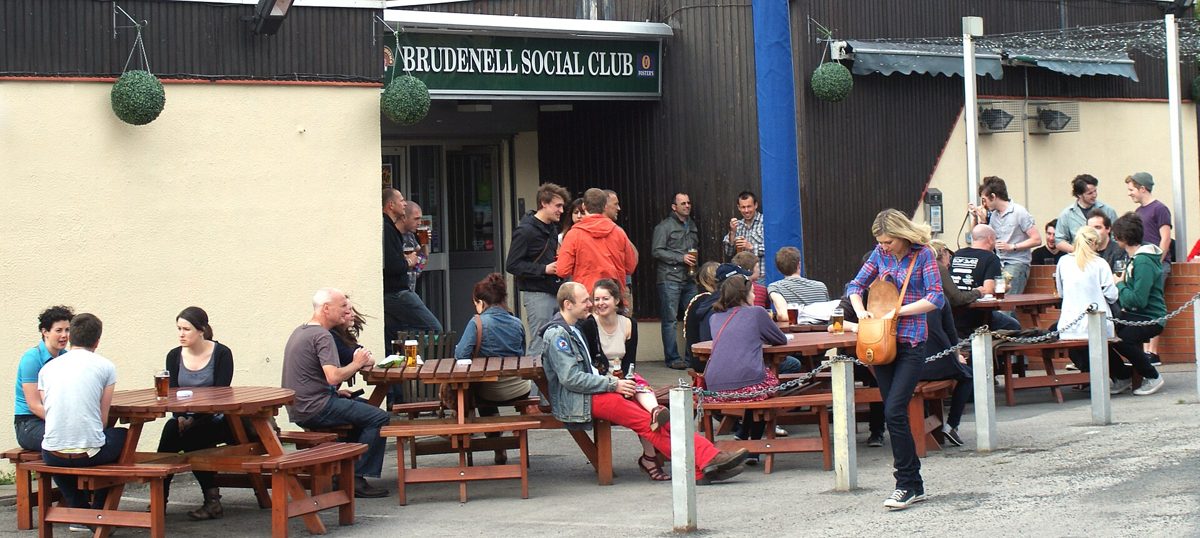
Leeds has a live music scene built on rooms of very different sizes and characters, from the sticky-floor Brudenell to the pipe-organ grandeur of Leeds Town Hall. This guide covers six venues that define the city's gig-going: their rooms, their programming, and the crowds they pull. - **Brudenell Social Club** - grassroots, indie, community-owned feel - **Belgrave Music Hall** - multi-floor, food, drink, and late-night programming - **Howard Assembly Room** - seated, acoustically focused, cross-genre - **The Wardrobe** - intimate, jazz, soul, funk, and dancing - **O2 Academy Leeds** - mid-size touring circuit, rock and pop - **Leeds Town Hall** - civic concert hall, orchestral and choral
Brudenell Social Club
The Brudenell is the room most Leeds gig-goers name first, and it earns that status through consistency rather than spectacle. Set in the student-heavy Hyde Park area, it operates as a working social club with a main gig room and a smaller back space, so a night can feel like a local event even when the bill is national. Programming leans toward indie, post-punk, experimental guitar music, and the odd folk or electronic bill, with a strong thread of local bands supporting touring acts. The crowd mixes students, long-term regulars, and travelling fans who treat the Brudenell as a pilgrimage stop; the atmosphere is close, loud, and unpretentious, with the bar never far from the stage.
Belgrave Music Hall
Belgrave Music Hall sits on Cross Belgrave Street and spreads across several floors, which shapes how a night there unfolds. The gig room is one part of a building that also houses food, a bar, and a rooftop terrace, so audiences drift between spaces rather than committing to a single spot. Programming is eclectic: indie and alternative bills, club nights, jazz and soul sessions, and DJ-led events that run late. The crowd skews young and creative, drawn from the Northern Quarter's bars and the city's art schools, and the night tends to feel social first and musical second, without losing the music.
Howard Assembly Room
The Howard Assembly Room is the city's listening room, a seated space with a reputation for careful acoustics and attentive programming. It hosts chamber music, jazz, folk, world music, and contemporary composition, often in partnership with Opera North and the city's classical institutions. The room rewards quiet attention: audiences sit, programmes are taken seriously, and the sound is the point. You will find older regulars alongside younger listeners who come for specific artists rather than a scene, and the atmosphere is closer to a recital than a gig, even when the music is amplified.
The Wardrobe
The Wardrobe, on St Peter's Square, is the small room where Leeds goes for groove. It is intimate enough that the band and the crowd share the same air, and the programming follows that scale: jazz, soul, funk, hip-hop, reggae, and roots, plus comedy and club nights that keep the diary full. Dancing is expected rather than tolerated, and the audience is there to move, not to stand with arms folded. It is the natural home for a seven-piece funk band or a late-night DJ set, and it draws a loyal crowd of dancers and musicians who know the room's quirks.
O2 Academy Leeds
The O2 Academy Leeds, on Cookridge Street, is the city's mid-size touring stop, the room where a band graduates to when the smaller venues can no longer hold them. It is part of the national O2 Academy circuit, so the diary reads like a map of current and heritage touring acts: rock, pop, indie, metal, and electronic, with club nights filling the gaps. The room is built for volume and sightlines, and the crowd is broader and more transient than at the smaller venues - students, office workers, and out-of-town fans arriving for a single show. It is the place to catch a band on the way up, or on the way back down, at a scale the smaller rooms cannot offer.
Leeds Town Hall
Leeds Town Hall is a Victorian civic building first and a concert venue second, and that dual identity shapes every night held there. The main hall carries the weight of orchestral and choral music, organ recitals, and large-scale classical programmes, with the building's own organ as a recurring presence. The audience dresses up a little more, arrives earlier, and sits in a room designed for ceremony as much as sound. Occasional popular and crossover events use the space too, but the hall's character belongs to the classical tradition, and a night there feels like an occasion rather than a gig.
Frequently asked questions
Which Leeds venue suits a first-time visitor who wants a proper gig?
The Brudenell Social Club is the safest first bet: it is small enough to feel personal, varied enough that most tastes find a night, and the crowd is welcoming rather than cliquey. If your taste runs to jazz or soul, The Wardrobe offers the same intimacy with a different soundtrack.
Where should I go for classical or seated listening?
The Howard Assembly Room and Leeds Town Hall cover that ground between them. The Howard Assembly Room suits chamber-scale and cross-genre listening, while Leeds Town Hall handles full orchestral and choral programmes in a grander setting.
Are these venues interchangeable?
No, and that is the point of the city's scene. A band that fits the O2 Academy would overwhelm The Wardrobe, and an orchestral programme needs Leeds Town Hall rather than the Brudenell. Match the room to the music and the evening you want, not just the artist.
This is an independent member's guide compiled by Leeds Society. We are not affiliated with the venues and institutions mentioned; opening arrangements and programmes change - always confirm details on the official websites before making plans.
← Back to Events