Markets and food culture in Leeds - where locals actually shop and eat
The markets, food halls and independent streets that show how Leeds really eats.
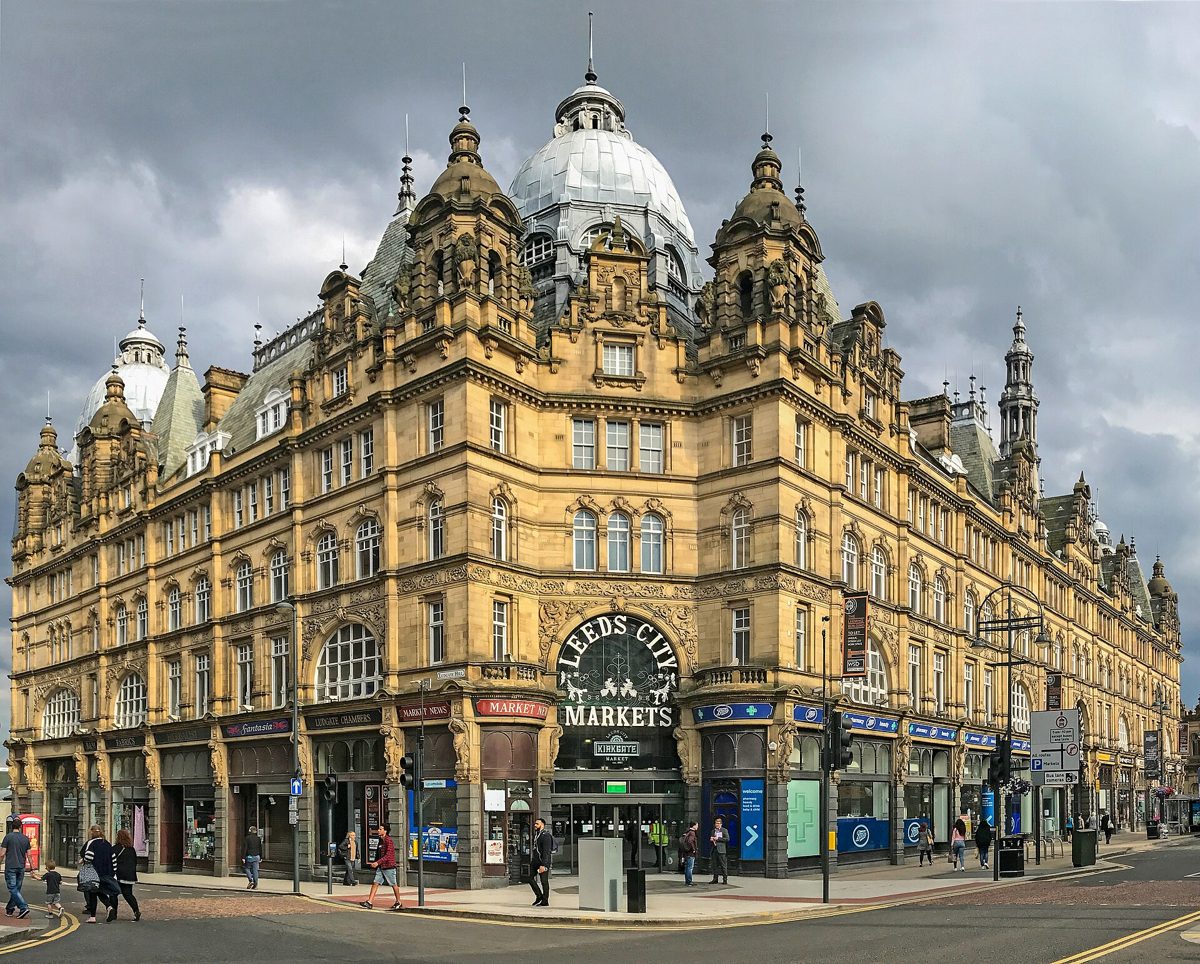
Leeds' Enduring Markets and Food Culture Leeds offers a dynamic food landscape, blending historic markets like Kirkgate, where Marks & Spencer began, with the architectural grandeur of the Corn Exchange and the contemporary street food buzz of Trinity Kitchen. This evolution showcases the city's enduring entrepreneurial spirit and its embrace of diverse culinary experiences, from traditional produce to global street food, reflecting its vibrant urban life and dynamic character. Leeds has long been a city defined by its commerce and community, a heritage deeply rooted in its market traditions. From the bustling Victorian halls that once traded wool and grain to the modern, curated spaces celebrating independent enterprise, the city's relationship with food and trade continues to evolve. This guide explores the foundational pillars of Leeds' market culture and its vibrant contemporary food scene, offering a glimpse into the places where history, architecture, and culinary innovation converge.
Kirkgate Market - A Historic Hub of Commerce
Leeds Kirkgate Market stands as one of Europe's largest indoor markets, a magnificent Victorian structure that has served the city's residents for over a century. Its soaring ironwork and grand glass roof encapsulate an atmosphere of enduring trade, a place where the rhythm of daily life unfolds amidst a kaleidoscope of goods and aromas. The market's history stretches back to 1822, with the current building, a Grade I listed structure, largely dating from the late 19th and early 20th centuries. It is more than just a place to shop; it is a living museum of Leeds' commercial past and a vibrant community hub.
The market offers an incredible diversity of products. Walk through its aisles, and you will find everything from fresh produce - seasonal fruits, vegetables, and specialty herbs - to an extensive selection of meats and fish. Butchers like Malcolm Michaels Quality Butchers, a long-standing presence, display their cuts with pride, while fishmongers offer a daily catch. Beyond the fresh food, stalls sell an array of household goods, haberdashery, hardware, and clothing. There are also international food sections, featuring spices, ingredients, and prepared foods from various cultures, reflecting Leeds' diverse population. You might find African fabrics next to a stall selling Yorkshire cheeses, or a hardware store adjacent to a vibrant flower seller like the long-established Neilsons.
The atmosphere inside Kirkgate Market is uniquely Leeds - a lively, unpretentious buzz that feels both traditional and utterly contemporary. Traders call out their wares, shoppers haggle gently, and the air is filled with the mingled scents of fresh bread, exotic spices, and brewing coffee. It is a place where generations have shopped, where local characters are as much a part of the fabric as the stalls themselves. This market embodies the industrious spirit of Leeds, connecting its past as a major trading centre with its present as a dynamic northern city, demonstrating its enduring relevance.
Marks & Spencer's Humble Beginnings
Within the venerable walls of Kirkgate Market lies a significant piece of retail history: the birthplace of Marks & Spencer. In 1884, a Jewish immigrant from Belarus, Michael Marks, set up a penny bazaar stall within the market hall. His philosophy was simple: "Don't ask the price, it's a penny." This innovative approach to retail, offering quality goods at an accessible price, quickly gained popularity among working-class shoppers. It was here that he met Thomas Spencer, a cashier from a wholesale firm called Dewhirst, and together they formed the partnership that would become one of Britain's most iconic retail brands.
The small stall in Kirkgate Market was the seed from which a global empire grew. Marks' initial success stemmed from understanding the needs of a growing urban population seeking affordable, good-quality items. The partnership with Spencer, formed in 1894, brought financial acumen and expansion capabilities. This origin story highlights Leeds' role as a crucible of entrepreneurship and innovation during the Victorian era. The city's burgeoning industrial wealth and growing population created fertile ground for new businesses, and markets like Kirkgate were the primary launchpads for such ventures. The story of Marks & Spencer is a powerful example of how a simple market stall, driven by vision and hard work, could evolve into a retail giant, leaving an indelible mark on British commerce and culture, highlighting the city's role as a catalyst for innovation. Today, a commemorative clock and plaque within the market mark the spot where Michael Marks' original stall stood, a quiet nod to this extraordinary legacy.
The Corn Exchange - Architectural Grandeur Meets Independent Spirit
A short walk from Kirkgate Market stands another architectural marvel, the Leeds Corn Exchange. Completed in 1863, this Grade I listed building is an impressive example of Victorian architecture, designed by Cuthbert Brodrick, who also designed Leeds Town Hall. Its distinctive elliptical shape and grand domed roof were originally conceived to house the city's corn traders, providing a sophisticated space for the buying and selling of grain. The building's design facilitated natural light and efficient movement for merchants, underscoring the era's focus on functional elegance in commercial spaces. Its innovative design, with two floors of trading space surrounding a central area, allowed for efficient negotiation and transaction.
Today, the Corn Exchange has been repurposed, transforming from a hub of agricultural trade into a vibrant centre for independent retail and artisan businesses. The atmosphere inside is markedly different from Kirkgate Market; it is quieter, more curated, yet still full of character. The central space, once a bustling trading floor, now hosts various pop-up events and markets, while the individual units around the perimeter are home to a diverse array of independent shops.
These shops offer a range of unique items, from vintage clothing and handcrafted jewellery to specialized homeware and art. For example, you might find unique pieces at Outrageous Fortunes vintage clothing or discover artisanal gifts from local makers. Food-wise, you might find artisan bakeries, coffee shops serving specialty brews, and small delis offering gourmet sandwiches or local produce. The focus here is on quality, craftsmanship, and individuality. The Corn Exchange embodies a different facet of Leeds' commercial spirit - one that champions local enterprise and unique offerings over mass production. It is a place where shoppers can discover distinctive products and enjoy a more relaxed, aesthetically pleasing experience, all within a truly magnificent historical setting.
Trinity Kitchen and the Modern Food Scene
Adjacent to the bustling Trinity Leeds shopping centre, Trinity Kitchen offers a dynamic contrast to the traditional market experience. Opened in 2013, it represents a contemporary take on market dining, bringing the vibrant, ever-changing world of street food indoors. This innovative concept features a selection of permanent food vendors alongside a rotating lineup of six street food vans, which are literally driven into the space and swapped out every few weeks. This constantly evolving roster ensures a fresh and exciting culinary experience with every visit.
Trinity Kitchen primarily sells street food from across the globe. You can expect to find a diverse range of cuisines, from spicy Korean barbecue and authentic Mexican tacos to gourmet burgers, wood-fired pizzas, and vibrant vegan dishes. Past and present vendors have included popular names like Pho, Rola Wala, and Absurd Bird, alongside smaller, independent operations bringing fresh ideas. The beauty of Trinity Kitchen lies in its variety and its commitment to showcasing independent traders and up-and-coming culinary talents. It is a place where you can sample different dishes from various cultures in one sitting, making it a popular spot for lunch and casual dining for students, shoppers, and office workers alike.
The atmosphere is urban, energetic, and communal. Long benches and shared tables encourage a lively, social dining experience. The industrial-chic decor, combined with the aroma of diverse foods and the buzz of conversation, creates a modern, urban market feel. Trinity Kitchen reflects Leeds' embrace of contemporary food trends and its appetite for diverse, high-quality, and accessible dining options. It perfectly complements the city's historic markets by offering a modern interpretation of the communal food hall, catering to a younger, food-savvy demographic while still embodying the entrepreneurial spirit of independent traders.
Beyond Trinity Kitchen - Independent Dining in the City Centre
Leeds' independent food scene extends far beyond the structured environment of Trinity Kitchen, weaving its way through the city's streets and Victorian arcades. The city centre, particularly areas around the Northern Quarter, Call Lane, and the various historic arcades like Queen's Arcade and Grand Arcade, hosts a proliferation of independent cafes, restaurants, and bars, each contributing to Leeds' distinctive culinary identity. This broader scene emphasizes quality ingredients, creative menus, and personalized service, often with a focus on local sourcing where possible.
You will find a range of establishments, from cozy coffee shops serving artisanal pastries and freshly brewed coffee at places like Laynes Espresso or North Star Coffee Roasters, to bakeries specializing in sourdough and patisserie from Leeds Bread Co-op. There are also numerous independent restaurants offering diverse cuisines - from modern British fare at The Swine That Dines, to authentic Indian street food at Bundobust, or innovative vegan dishes at places like Doner Summer. Many of these places are tucked away in converted industrial buildings or historic storefronts, adding to their unique charm.
The independent scene flourishes because of a strong local community that values unique experiences and supports small businesses. This network of eateries forms a crucial part of Leeds' food culture, offering alternatives to larger chain establishments and fostering a sense of local pride. These venues often become community hubs, places where people meet, work, and socialize, enriching the city's social fabric.
Here are some examples of the independent offerings: Specialty Coffee Shops: Laynes Espresso, Mrs Atha's, North Star Coffee Roasters. Unique Restaurants: Bundobust (Indian street food), The Swine That Dines (modern British), Home (fine dining), Ambiente Tapas (Spanish). Craft Beer & Pubs: Northern Monk Refectory, North Brewing Co. Tap Room, The Turk's Head. Artisan Bakeries: Leeds Bread Co-op products found in various cafes. Delicatessens & Grocers: George & Joseph (specialty cheese).
This independent spirit, evident in the Corn Exchange's retailers and Trinity Kitchen's vendors, permeates the wider city centre, showcasing Leeds as a destination for those seeking authentic, high-quality, and unique food experiences. It demonstrates the city's ability to balance its rich commercial history with a forward-looking approach to food and hospitality.
Leeds' Culinary Evolution - A Blend of Old and New
Leeds' food culture is a dynamic narrative, one that skillfully interweaves its deep historical roots with contemporary trends. The journey from the traditional stalls of Kirkgate Market to the rotating street food vans of Trinity Kitchen illustrates a city that honors its past while eagerly embracing the future. Kirkgate remains the beating heart of traditional commerce, a place where the foundational elements of food - raw ingredients, fresh produce, and community exchange - are celebrated daily. It is a sensory experience, a direct link to the city's industrial and mercantile heritage.
The Corn Exchange, while historic in its architecture, has reinvented itself as a sanctuary for independent, curated retail and artisan food, reflecting a desire for quality and uniqueness. It represents a shift towards specialized interests and a more refined shopping experience. Trinity Kitchen, meanwhile, is the embodiment of modern urban dining, a response to a globalized palate and the rise of informal, diverse food experiences. Together, these venues paint a comprehensive picture of Leeds' food identity. They show a city where the age-old tradition of market trade continues to thrive, adapting and diversifying to meet the demands of a modern populace. This blend of history and innovation ensures that Leeds' food scene remains vibrant, diverse, and deeply connected to its unique character.
Frequently asked questions
What makes Kirkgate Market unique in the UK?
Kirkgate Market is unique due to its immense size as one of Europe's largest covered markets and its magnificent Victorian architecture, making it a Grade I listed building. Its historical significance is further cemented by being the birthplace of Marks & Spencer. The market continues to thrive as a bustling hub, offering an incredibly diverse range of goods, from fresh produce and meats to international foods and household items, all within a vibrant, traditional market atmosphere.
How has the Corn Exchange transformed over time?
The Leeds Corn Exchange, originally built in 1863 as a trading floor for corn, has undergone a significant transformation. While its stunning Victorian architecture remains, its purpose has evolved from agricultural commerce to a curated retail space. It now houses a collection of independent boutiques, artisan shops, and specialty food vendors, offering a unique shopping experience that champions local businesses and creative enterprises, distinct from its original mercantile function.
What defines Leeds' independent food scene?
Leeds' independent food scene is defined by its diversity, quality, and strong support for local businesses. It encompasses a wide array of establishments, from small cafes and bakeries to unique restaurants and street food vendors, many of which can be found in areas like the Northern Quarter or within the Trinity Kitchen concept. This scene emphasizes fresh ingredients, innovative menus, and a personalized dining experience, contributing to Leeds' reputation as a dynamic culinary destination.
This is an independent member's guide compiled by Leeds Society. We are not affiliated with the venues and institutions mentioned; opening arrangements and programmes change - always confirm details on the official websites before making plans.
← Back to Events