Leeds parks and green spaces - a member's guide
Where Leeds goes outdoors: the parks worth crossing town for and when each is at its best.
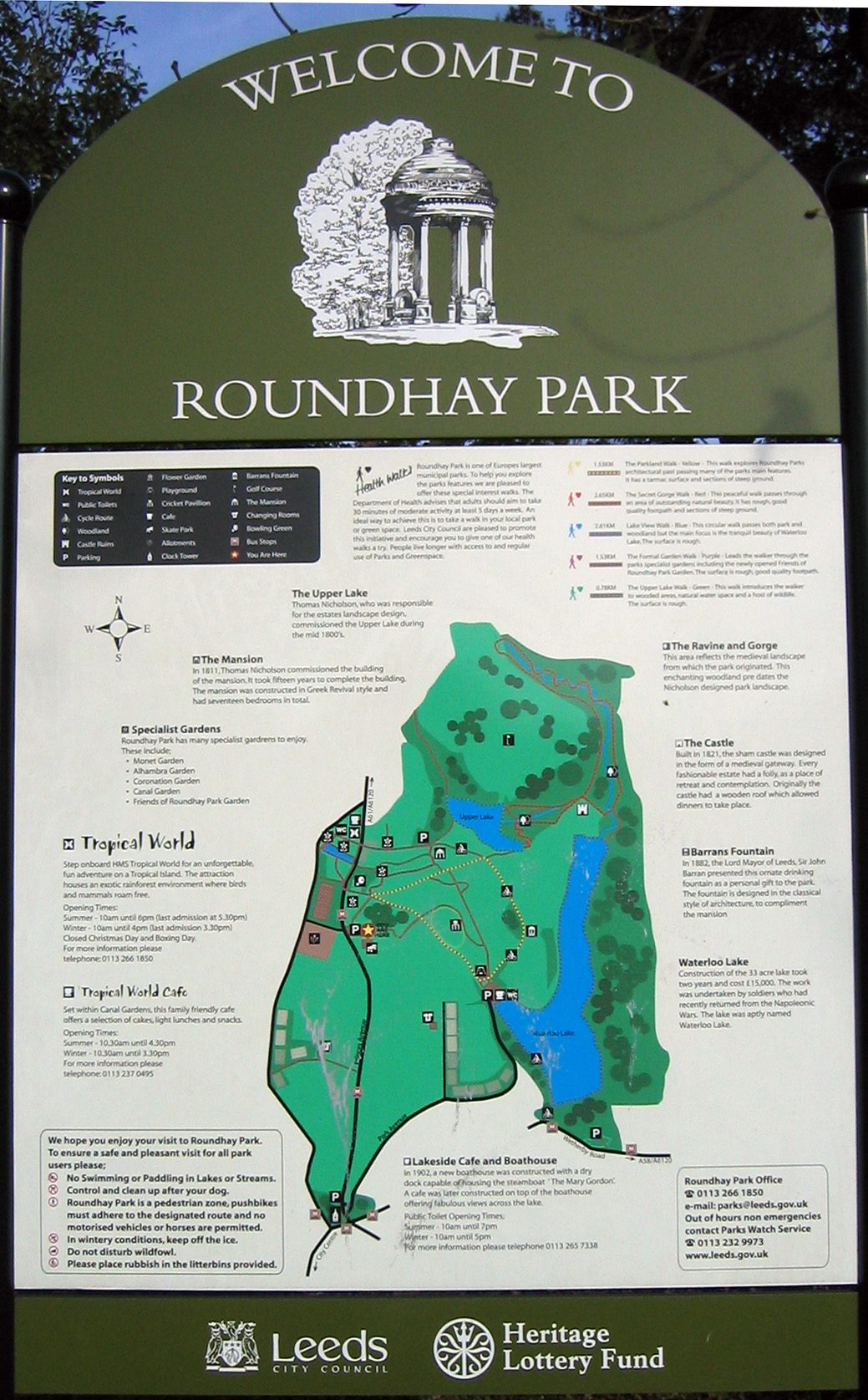
Leeds offers an exceptional variety of green spaces, from the expansive Victorian grandeur of Roundhay Park to the tranquil monastic grounds of Kirkstall Abbey. This guide provides members with insights into five key locations- Roundhay Park, Golden Acre Park, Temple Newsam, Meanwood Valley, and Kirkstall Abbey- detailing their unique character, best uses, seasonal highlights, and valuable local tips.
Roundhay Park
Roundhay Park, one of Europe's largest city parks, embodies Victorian ambition with its sprawling 700 acres. It features a diverse landscape including two large lakes- Waterloo Lake and the Upper Lake- extensive woodlands, formal gardens like the Canal Gardens and Monet Garden, and vast open parkland. Its varied topography, from gentle slopes to steep dells, offers a dynamic experience for all visitors, reflecting its 19th-century design as a leisure destination for the industrial city.
Best for: Family days out with space for games and picnics Long, varied walks and trail running Boating on Waterloo Lake Attending large-scale outdoor events and concerts Exploring diverse horticultural displays
Seasonal Notes: Spring brings a burst of daffodils and cherry blossoms around the lakes, while summer sees the park alive with picnickers and water sports. Autumn is particularly striking, with the woodlands transforming into a canvas of reds and golds, especially around the Gorge and Waterloo Lake. Winter offers crisp, clear walks and dramatic frosted landscapes, particularly beautiful around the Mansion House.
Insider Tip: For a quieter experience, bypass the main paths around Waterloo Lake and instead explore the less-frequented areas such as the Gorge or the paths leading towards Gledhow Valley Woods, which offer a more secluded woodland retreat even on busy days.
Golden Acre Park
Golden Acre Park is a horticultural gem, distinct from Roundhay's grand scale by its focus on botanical beauty and tranquil design. This 179-acre park, originally an amusement park in the 1930s, was transformed into a park of gardens in the 1950s. It features a beautiful central lake, extensive ornamental gardens including a heather garden, a large arboretum, and a stream that meanders through various themed planting areas. Its layout encourages peaceful strolls and appreciation of plant diversity.
Best for: Quiet contemplation and relaxation Plant enthusiasts and gardeners Accessible walks on well-maintained paths Bird watching around the lake and within the arboretum Enjoying meticulously designed garden spaces
Seasonal Notes: Late spring and early summer are spectacular, with rhododendrons and azaleas bursting into vibrant bloom, especially in the woodland areas. The rose garden thrives throughout summer, while autumn showcases the arboretum's rich palette of leaf colours. Winter reveals the structural beauty of the trees and evergreens, with the lake often attracting various waterfowl.
Insider Tip: Connect your visit with the adjacent Adel Dam Nature Reserve. A short, well-marked path from Golden Acre leads directly into this Yorkshire Wildlife Trust site, offering excellent opportunities for spotting kingfishers, stoats, and a wide array of woodland birds in a secluded natural setting.
The Grounds of Temple Newsam
Temple Newsam offers a grand historical landscape surrounding a magnificent Tudor-Jacobean mansion, set within over 1,500 acres of parkland, woodland, and gardens. Designed by Capability Brown, the estate features expansive rolling lawns, ancient woodlands, lakes, and one of the largest working rare breeds farms in Europe. The walled gardens, including a rose garden and glasshouses, provide a formal contrast to the wilder parkland, creating a rich experience for visitors.
Best for: Long country walks with expansive views Exploring historical landscapes and architecture Family visits to the Home Farm Picnics amidst grand surroundings Discovering diverse garden styles
Seasonal Notes: Spring is vibrant with newborn animals at the Home Farm and wild garlic carpeting the woodlands. Summer provides perfect weather for exploring the vast grounds and enjoying the rose garden's bloom. Autumn transforms the ancient trees into a fiery spectacle, particularly beautiful around the lakes and avenues. Winter offers stark, dramatic views of the mansion against the bare landscape, often with frost adding to its beauty.
Insider Tip: Venture beyond the immediate vicinity of the house and farm to find the 'Menagerie Wood'. This ancient woodland, located on the estate's periphery, is home to some of the oldest trees and offers a sense of untouched nature, perfect for a peaceful walk away from the main visitor routes.
Meanwood Valley
Meanwood Valley is a unique linear green corridor stretching approximately 7 miles from the outer suburbs into the heart of Leeds. This urban oasis follows the Meanwood Beck, offering a blend of ancient woodlands, open meadows, and remnants of the area's industrial past, such as old mill ponds and weirs. Its character is wilder and more informal than the city's manicured parks, providing a vital green lung for residents and wildlife alike.
Best for: Dog walking and trail running Nature walks and wildlife spotting Escaping the urban bustle without leaving the city Exploring historical industrial archaeology Connecting various Leeds neighbourhoods via green routes
Seasonal Notes: In spring, the valley floor is carpeted with bluebells and wild garlic, creating a fragrant and colourful display. Summer provides a cool, shaded canopy ideal for walks, while autumn sees the woodlands ablaze with colour and offers opportunities for fungi spotting. Winter transforms the beck into a more powerful flow, and the bare trees reveal the valley's contours and historical features.
Insider Tip: For a comprehensive experience, start your walk at the northern end near Golden Acre Park and follow the Meanwood Valley Trail south. This route gradually transitions from rural tranquility to semi-urban green space, offering a diverse perspective on Leeds's natural and historical landscape, eventually leading towards Headingley.
The Green Space Around Kirkstall Abbey
The grounds surrounding Kirkstall Abbey offer a uniquely atmospheric green space, dominated by the magnificent ruins of a 12th-century Cistercian monastery. Situated on the banks of the River Aire, this area combines open lawns perfect for picnics with riverside paths and mature trees. The Abbey itself, a scheduled ancient monument, provides a dramatic, historic backdrop to what is essentially a community park, inviting reflection and appreciation of history amidst nature.
Best for: Exploring historical ruins and photography Relaxing picnics with a unique backdrop Riverside strolls along the River Aire Attending community events and markets (often held on adjacent land) Educational visits and quiet contemplation
Seasonal Notes: Spring enhances the ruins with fresh green growth and blossoms on surrounding trees, making for picturesque views. Summer is ideal for leisurely picnics on the lawns and enjoying the open-air setting. Autumn's low sun casts long shadows across the Abbey, highlighting its architectural details and creating a dramatic atmosphere. Winter, especially with a light dusting of snow, offers a stark, beautiful contrast between the ancient stone and the white landscape.
Insider Tip: Beyond the immediate Abbey grounds, take the paths leading along the River Aire. Heading upstream or downstream offers different vantage points of the Abbey and leads to quieter stretches of the riverbank, perfect for a peaceful moment or a longer walk towards places like Rodley Nature Reserve.
Frequently asked questions
Is it possible to spend an entire day in one of these parks?
Absolutely, particularly in Roundhay Park and the Temple Newsam estate. Roundhay, with its vast lakes, woodlands, and diverse gardens, offers enough varied terrain and points of interest for hours of exploration. Temple Newsam, boasting over 1,500 acres, a working farm, and extensive historical grounds, similarly provides a full day's worth of activities, from long walks to discovering hidden corners of the estate. Golden Acre Park also offers ample space for a substantial visit, especially if combined with the adjacent nature reserve.
Are these green spaces suitable for all ages and mobility levels?
Most of these locations offer areas suitable for a range of ages and mobility levels, though accessibility varies. Golden Acre Park has many well-paved, relatively flat paths around its main lake and gardens, making it quite accessible. Roundhay Park features broad paths and tarmac routes, especially around Waterloo Lake, though some woodland paths can be uneven. Temple Newsam has extensive paved routes around the house and farm, but its wider parkland involves varied terrain. Meanwood Valley and Kirkstall Abbey have accessible sections, but their more natural paths can be uneven or muddy, requiring appropriate footwear.
What is the best way to experience the unique character of each location?
To truly appreciate each location, consider focusing on its distinctive features. For Roundhay Park, embrace its Victorian grandeur with a walk around both lakes and through the formal gardens, perhaps ending with a view from the Mansion House. At Golden Acre Park, take your time in the botanical sections, seeking out specific plant collections. Temple Newsam demands exploration of its vast estate- wander through the parkland, visit the farm, and admire the historic house from various vantage points. Meanwood Valley is best experienced by following the beck, letting its wilder, linear nature guide you. For Kirkstall Abbey, allow time to simply sit amidst the ruins, soaking in the history and riverside tranquility.
This is an independent member's guide compiled by Leeds Society. We are not affiliated with the venues and institutions mentioned; opening arrangements and programmes change - always confirm details on the official websites before making plans.
← Back to Events